Pregnancy Incontinence Prevention And Therapy Approaches
Giving Birth & Urinary Incontinence Urogynecology & Pelvic Health Practically fifty percent of all women that have a vaginal distribution program instant healing of the nerves' ability to bring messages to the pelvic muscle mass, and 60% will certainly have total resolution within two months. Nonetheless, in some women, the hurt tissue does not recuperate 100% of pre-labor toughness. For them, the likelihood of urinary incontinence and the pain of pelvic prolapse creating later on in life are extra typical. Troubles throughout labor and childbirth, particularly genital birth, can weaken pelvic floor muscular tissues and harm the nerves that manage the bladder. Many problems with bladder control that take place as an outcome of labor and shipment disappear after the muscular tissues have actually had a long time to recover. If you're still having bladder troubles 6 weeks after giving birth, speak to your medical professional, registered nurse, or midwife. This is because there is less muscle mass keeping the pee in up until you prepare to pee. When the bladder muscular tissues tighten up, pee is forced out of your bladder via Yoga therapy a tube called the urethra. At the same time, sphincter muscular tissues around the urethra unwind to let the urine out of your body. Urinary system incontinence occurs when you unwillingly release urine. Some females handle this delicate concern during pregnancy or as they age. Some ladies even have what's called "anxiety urinary incontinence," which is a sort of urinary incontinence that can be experienced throughout and after pregnancy. In this instance, the bladder sphincter has shed some feature as a result of the consistent increase in stress, making it tough to keep in pee. Labor entails prolonged, occasionally forceful, pressing and birthing down. And even worse, countervailing holding patterns including outside hip potter's wheels, glutes, and abdominals usually take control of - with inner frameworks staying extended and inactive. This takes place when the bladder starts frantically spazzing out and it's a common condition for expecting women. Your pelvic floor resembles any kind of various other group of muscle mass-- use them or shed them!
- Your urethra is a tube that links to your bladder, and it allows urine to flow out.
- The farther down the child's head goes into the hips, the greater the stress against these muscles and hidden nerves.
- Trouble of UI is heterogeneously analyzed and is reported as light to moderate.
- Some studies show changes in the function of these nerves in over half of women complying with vaginal delivery.
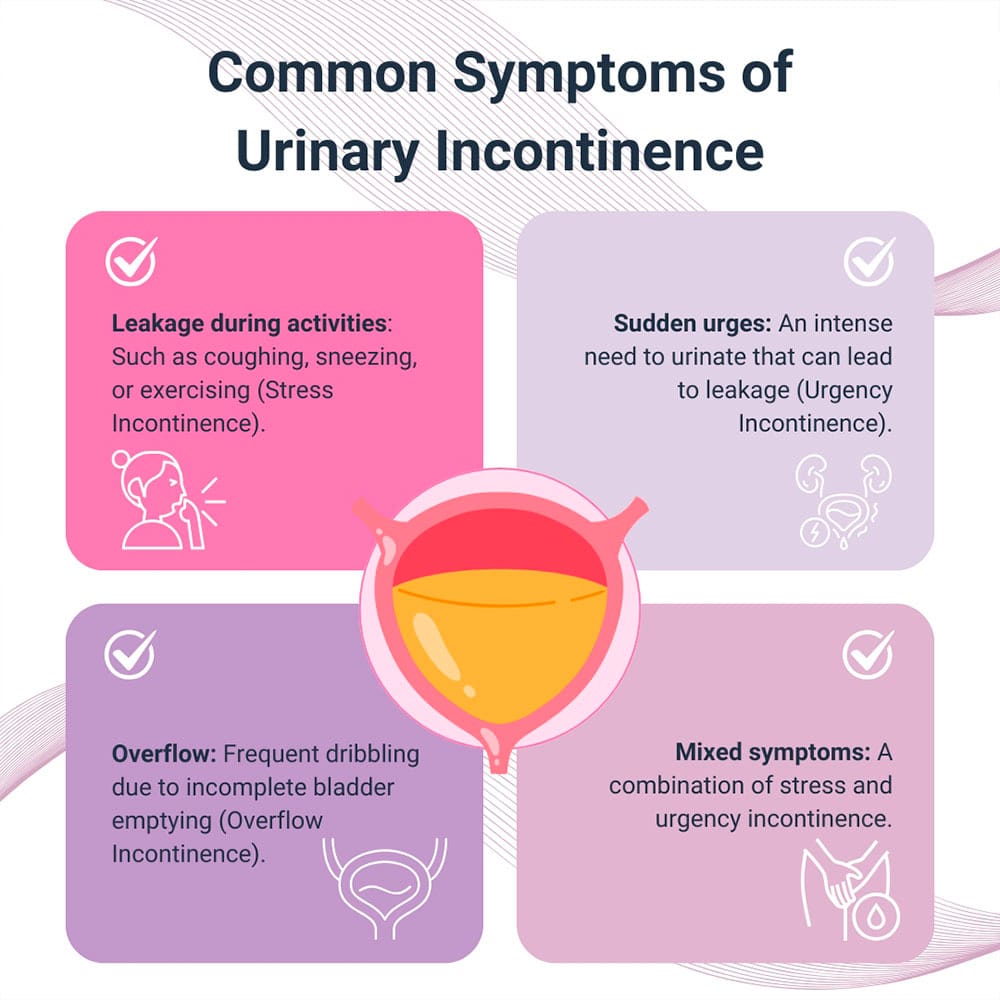
- Stress urinary incontinence results when intra-abdominal pressure bypasses urethral closure pressure, involuntarily launching urine.
- Below's what you need to learn about the signs of postpartum incontinence and exactly how therapy can help you seem like on your own once again.
Did We Answer Your Inquiries Regarding Urinary Incontinence?
Can postpartum bladder prolapse recover itself?
The trouble most likely will not go away on its own and may get worse over time without treatment. We commonly suggest starting with conventional treatment techniques whenever possible. Pelvic flooring therapy and Kegel workouts may be all you require to restore your pelvic area to deal with placing.
Hormonal Modifications And Urinary Incontinence In Ladies
Many ladies experience postpartum urinary incontinence, and it's nothing to be embarrassed of. In fact, lots of new mamas locate that, with correct treatment and enhancing exercises, they can regain total continence within 12 months, with signs typically improving within 3 to 6 months. Nonetheless, the trick is to treat incontinence very early and deal with a pelvic floor physical therapist if essential. Early postpartum pelvic floor workouts and physical therapy can also aid support recovery and minimize lasting bladder control concerns. You and your doctor or Bladder control registered nurse will certainly collaborate to create a therapy strategy. If these steps do not boost your signs, your medical professional or registered nurse might advise various other therapies depending upon whether you have tension urinary incontinence or urge incontinence or both. The majority of issues with bladder control while pregnant vanish. after childbirth when the muscles have had a long time to recover. As a result, even more damage can be done to the cells, possibly leading to lasting damage and eventual urinary incontinence. Incontinence-- when the body can't control peeing, either partly or entirely-- is extremely typical while pregnant and postpartum. During pregnancy, it's a result of included weight and stress on the bladder and pelvic flooring, and can continue or aggravate after distribution if there's considerable tearing during birth.